


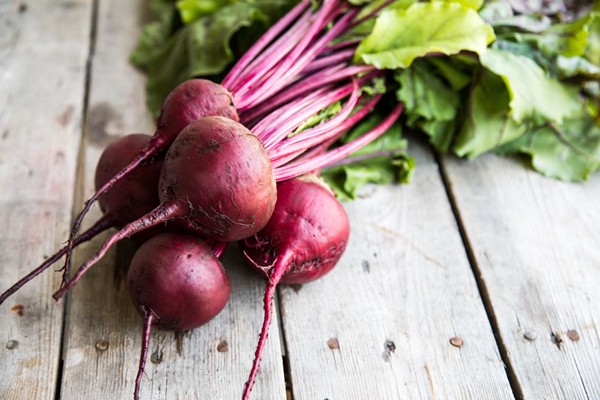
Betaine is also known as trimethylglycine. It is one of the earliest choline derivatives isolated from sugar beets. It is widely distributed in animals, plants and microorganisms. The betaine content in beetroot reached 4.8 mg/g fresh weight. Beetroot Juice Powder is one of the dietary sources of betaine. The biological activity of Betanin has become a research hotspot in recent years.
What Is Betaine?
Based on its special chemical structure, betaine plays two important physiological roles in the body: an osmoprotectant and a one-carbon unit (methyl) donor. Betaine is an important methyl donor. It plays role in the biochemical process of Hcy methylation to form methionine. High serum Hcy is directly or indirectly related to a variety of diseases such as arteriosclerosis, cardiovascular disease, hypertension and diabetes.
Betaine Benefits
1. Antioxidant effect
Studies have shown that betaine has antioxidant activity. It can reduce the production of ROS. The study found, dietary supplementation of 1.2% betaine can increase the levels of SOD, catalase and reduced glutathione in liver tissue of high-fat diet Wuchang fish, while reducing the level of MDA.
2. Anti-inflammatory response
A high-fat diet is one of the reasons for inducing low-grade inflammation in the body. Using lipopolysaccharide-induced microglia as an inflammation model, it was found that betaine can inhibit the production of pro-inflammatory cytokines and promote the release of anti-inflammatory cytokines in microglia. More and more studies have shown that betaine blocks the expression of inflammatory factors such as IL-1β, cyclooxygenase-2, and inducible nitric oxide synthase by inhibiting the activity of NF-κB.
3. Protect the liver
The hepatoprotective effect of Betanin is related to its anti-oxidative stress and anti-inflammatory activities. In addition, betaine can enhance the antioxidant capacity of rat liver by improving the metabolism of impaired sulfur-containing amino acids, thereby preventing the occurrence of alcoholic liver injury.
4. Intervention of chronic diseases
A growing body of research suggests that betaine has a potential role in the intervention of diseases such as obesity, diabetes, cancer, and Alzheimer's disease. One analysis showed that higher levels of betaine in the diet or blood were associated with a lower risk of developing cancer, especially colorectal cancer. Alzheimer's disease is a neurodegenerative disease associated with malnutrition and high Hcy levels.