


Inositol is a lipophilic water-soluble substance, commonly known as vitamin B8, and it is also a nutrient well-known and recommended by many women who are planning to become pregnant. Inositol plays a role in transmitting messages and supplying nutrients in cells. It can not only synthesize lecithin with choline in the body, but also activate calcium ion channels. It is a good nutritional and health food for pre-pregnancy preparation.
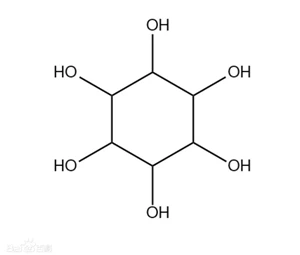
Inositol, commonly known as vitamin B8, is a vitamin-like substance. It is found in many plants and animals, it can also be produced in the human body, and it can be made in the laboratory. Inositol can exist in many forms (called isomers). Foreign countries often use inositol for metabolic risk groups.
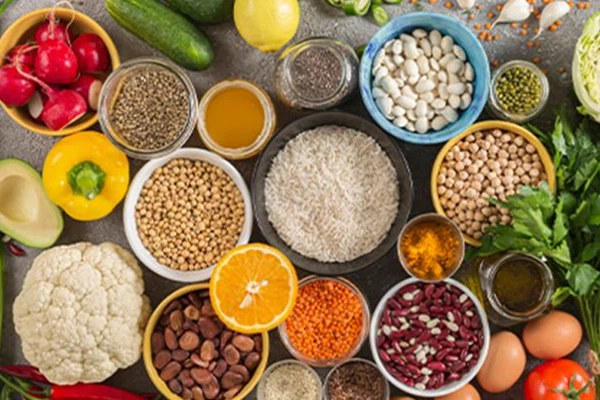
 It is estimated that a typical American diet contains about 1 gram of inositol per day. Sources include grains, legumes, nuts, and fresh fruits and vegetables.
According to the USDA, the largest food sources of inositol are organic whole grains, nuts, cantaloupe, citrus fruits, lima beans, raisins, and cabbage. The main source of inositol for infants is breast milk, which is why inositol is often added to infant formula. Milk also contains some inositol, but only 1/3 of that in breast milk.
Inositol actually exists in the foods we eat every day. If you eat more of these five types, you can get natural inositol.
1. Whole grains: Whole grains are foods high in inositol, such as: corn, wheat germ, whole grain bread, oats, brown rice.
2. Vegetables: ice flower, cabbage.
3. Fruits: Fruits are citrus, grapefruit, cantaloupe, and peaches, which contain the most inositol.
Animal offal: animal liver, bovine brain, bovine heart, etc.