


Maitake mushroom extract( Grifola frondosa extract) is a polysaccharide extracted from Grifola frondosa. It can improve immunity, prevent and treat cancer, and is a representative of the new generation of tumor immunotherapy. Grifola Grifola polysaccharide is an effective active ingredient extracted from the high-quality fruiting bodies of Grifola Grifola. It has a fragrant smell and significant effects. It can be used as an additive raw material for various health products and foods.
History
Maitake mushroom is a large mushroom that mostly grows in the mountains of the Far East, as well as in North America and Europe. Also known as the "Dance Mushroom," Maitake mushroom is known for its delicious taste and health benefits. Legend holds that anyone who finds this rare and valuable mushroom will dance with joy. Others attribute its name to the fact that the mushroom's fruiting bodies overlap and look like dancing butterflies. Historically, Maitake mushroom has been used as a tonic and adaptogen. It is used as a food to help promote good health and vitality. Traditionally, eating this type of mushroom is believed to prevent high blood pressure and cancer, and has become the focus of modern medical research.
Maitake mushroom has a long history of medicinal use among the people. In 1709, Japan's Kaihara Masuken's "Yamato Materia Medica" recorded maitake mushroom; in 1834, Japan's Honsaka Hiron's "Geographic Genealogy" recorded the medicinal value of maitake mushroom: "sweet, flat, non-toxic, and Treat hemorrhoids. "Chinese traditional Chinese medicine believes that maitake mushroom has the effect of "strengthening and strengthening the root". Since the 1980s, many countries, mainly Japan, have conducted a large number of systematic studies on maitake mushroom, and nearly 200 papers have been published. Comprehensive research on the pharmacological effects of maitake mushroom in Japan, Canada, Italy, the United Kingdom and other countries in recent years has shown that maitake mushroom has anti-cancer and immune-enhancing effects, as well as anti-hypertension, lowering blood sugar and blood lipids, and resistance to various hepatitis viruses.
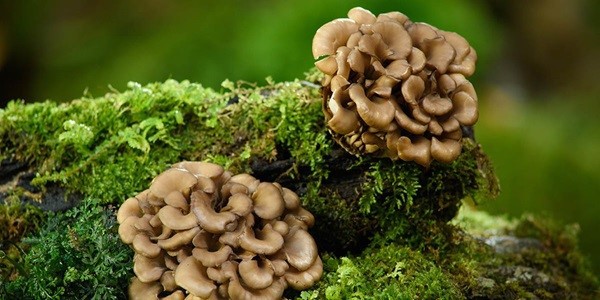
Health Benefits of Maitake mushroom extract as below:
1. May Reduce Inflammation
In laboratory studies, maitake mushroom extract has shown anti-inflammatory capabilities.
In one such study, glycerides and phytosterols extracted from maitake mushrooms inhibited the cyclooxygenase (COX) enzyme, which plays a role in inflammation. These bioactive substances inhibit COX enzymes in the same way as nonsteroidal anti-inflammatory drugs (NSAIDs)
In other laboratory studies, maitake mushroom extract has been found to inhibit other pro-inflammatory cytokines such as tumor necrosis factor alpha (TNF-alpha) and interleukin 1b. The mushroom modulates inflammatory signaling pathways and pro-inflammatory mediators.
Proving the anti-inflammatory effects of maitake mushrooms will require human studies.
2. Might Help Prevent Cancer
Maitake mushroom extract has been studied for its potential anti-tumor effects since the 1980s. Most research conducted since then has been in animal models or laboratory settings, although some small human trials have been completed.
Beta-glucan extracted from Maitake mushroom shows anti-tumor effects in animals and humans.
In one very small study, beta-glucan in maitake mushrooms inhibited the progression of metastases (new tumors elsewhere in the body) in 10 patients with different types of cancer. Specific tumor markers were also reduced by gray antler supplementation
In experiments on mice, beta-glucan in maitake mushroom extract was found to enhance the effectiveness of cisplatin, a standard chemotherapy drug.
The potential anti-cancer effects of gray velvet are thought to be due to their immunomodulatory effects. However, some research suggests that maitake may directly act on specific cancer cells
3. May Lower Lipid Levels
Some animal studies suggest that maitake mushroom extract may help lower cholesterol.
In one study, mice fed a high-cholesterol diet ate maitake mushrooms for five weeks. Maitake mushrooms showed significant improvements in total cholesterol, triglycerides and low-density lipoprotein (LDL, or "bad") cholesterol levels compared with the control group.
Other animal studies have found that maitake's lipid-lowering effects are related to the excretion of cholesterol in the feces
Since these effects have only been observed in animals, more research is necessary and should include human trials.
4. May Help Treat Type 2 Diabetes
Polysaccharides in maitake mushroom extract may help treat type 2 diabetes.
These polysaccharides were found to reduce fasting blood glucose in diabetic mice. Oral glucose tolerance and lipid profiles also improved in the same group of mice given maitake mushrooms
In rats with induced diabetes, polysaccharides are associated with improvements in insulin resistance. According to one study, maitake mushrooms extract may help treat diabetes by reducing inflammation and improving the gut microbiome.
In the future, human studies should be completed to determine Maitake's effectiveness against type 2 diabetes.
5. May Protect Your Brain
Through laboratory studies, scientists have discovered that maitake has potential neuroprotective effects.
In one study, maitake mushroom extract had anti-aging and neuroprotective effects on yeast cells and fruit flies. Beta-glucan is thought to be responsible for these effects
According to a small review, the antioxidant and anti-inflammatory properties of maitake mushroom help protect neuronal cells. These properties may also promote neurogenesis when new neuronal cells are produced
Although researchers believe that cinerea may have a future role in preventing neurodegenerative diseases such as Parkinson's and Alzheimer's disease, more research is needed, especially in humans.
Summary
Maitake mushrooms are medicinal mushrooms with various potential health benefits.
Some evidence suggests that maitake mushrooms may help with inflammation, type 2 diabetes, cancer, lipid levels, and brain health. However, more research on the effectiveness of maitake mushrooms for these purposes is necessary overall.
Maitake mushrooms may be consumed raw, cooked, or in supplement form. For the most part, they are considered safe, but some people may need to limit or avoid using them.
As always, talk with a healthcare provider before starting any new supplement regimen.