

Beta Carotene is a carotenoid compound responsible for giving fruits and vegetables their orange pigment. A powerful antioxidant, beta-carotene has been found to help protect against cancer and aging (however beta-carotene supplements can increase lung cancer risk for smokers).
In the body, beta-carotene converts into vitamin A (retinol).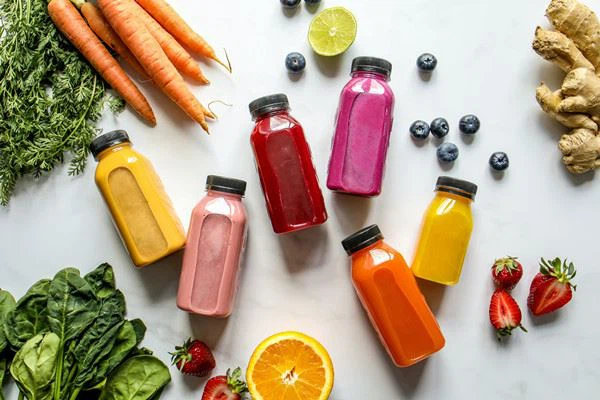 We need vitamin A for good vision and eye health, for a strong immune system, and for healthy skin and mucous membranes. Taking big doses of vitamin A can be toxic, but your body only converts as much vitamin A from beta-carotene as it needs. That means beta-carotene is considered a safe source of vitamin A. However, too much beta-carotene can be dangerous for people who smoke. (Getting high amounts of either vitamin A or beta-carotene from food, not from supplements, is safe.)
The following foods are rich in beta carotene:
Apricots
Asparagus
Broccoli
Carrots
Chinese cabbage
Chives
Dandelion leaves
Grapefruit
Kale
Ketchup
Many margarines
Onions
Peas
Peppers
Plums
Pumpkin
Spinach
Squash
Sweet potatoes
If you follow a healthy diet rich in beta carotene you do not need supplements. As mentioned above, supplements can lead to undesirable excesses in beta carotene levels – this cannot occur if your source is from the food you eat.