

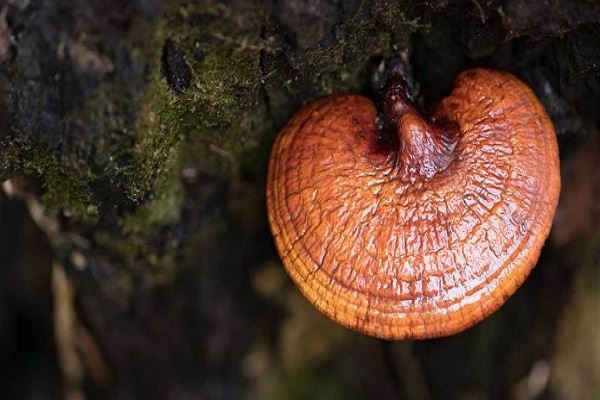
Reishi mushroom has a history of more than 2,000 years since ancient times, and even modern medicine has confirmed that it is good nourishment with the same medicine and food. In theory, any adult can consume Ganoderma lucidum, but there are also some special groups or special periods that are not suitable for consumption. So, let's take a look at who is not suitable for Reishi?
1. People whose wounds have not healed
Because Ganoderma contains adenosine, which has the effect of preventing blood clotting, it is not allowed to eat it when the wound is not healed, so as not to affect the wound healing. Generally speaking, Lingzhi should be discontinued 7 days before the operation until the wound is initially healed.
2. People with heavy bleeding
Some people's blood coagulation system is not particularly good. Slightly damaged skin can easily bleed. These people do not recommend eating Ganoderma lucidum, because it affects platelet aggregation and causes the blood to not function normally. From this point of view, women are not recommended to eat during menstruation.
3. People with allergies
Before consuming it, you need to confirm whether you are allergic. Research statistics show that because everyone's physical condition is different, about one in a thousand people will have an allergic reaction to Reishi mushrooms. People with such allergies should avoid taking it.
4. Pregnant women, children
For safety reasons, pregnant women and children should not consume it. Use it under the supervision of a doctor. Because Ganoderma is a super tonic, and our children’s digestive system is very fragile and cannot absorb so many nutrients at once. It will increase the load on their digestive organs and cause various discomforts in the digestive tract. Reactions increase the risk of illness.
Although Reishi mushroom is good, it is necessary to control the consumption during the breeding process. If you eat too little, you will not be able to nourish your health or cure diseases. It will take up too much and cause waste.