


Melatonin is a substance that can regulate the regularity of human sleep and has the effect of helping the elderly with decreased melatonin secretion. But if insomnia is not the result of changes in melatonin, supplementation is hardly worthwhile. And long-term use of melatonin can also have adverse effects on the body.
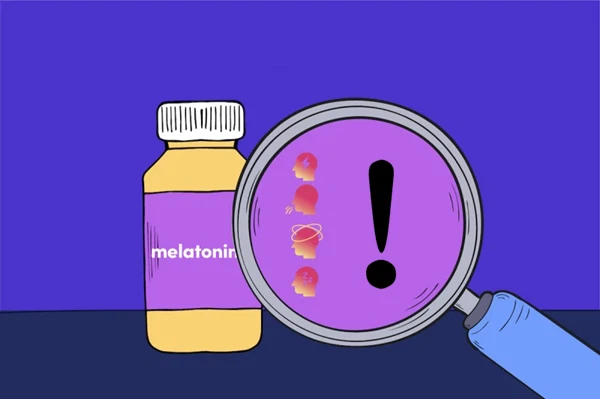
Melatonin Side Effects
1. Affect the body's melatonin secretion
Long-term use of exogenous melatonin will cause the body to reduce the secretion of melatonin. When melatonin is stopped, its secretory function may not be fully restored, resulting in dependence on exogenous melatonin and sleep dysfunction and aggravating insomnia symptoms.
2. Increase the burden on liver and kidney
Excessive use of melatonin for a long time will increase the burden on the liver and kidney, and may also cause adverse reactions such as headache, gastrointestinal reactions, depression, anxiety and mental symptoms.
3. Affect fertility
Long-term use of exogenous melatonin in large quantities will cause hypothermia, release too much prolactin, cause infertility, and reduce male physiological desire.
4. Affect the spirit
Excessive use of exogenous melatonin can easily lead to poor spirits, distraction, reduced reaction speed and sensitivity. Therefore, those who drive, operate machinery, and engage in dangerous operations must take it with caution.
5. Interacts with certain medications
Melatonin has an effect on certain diseases and drugs, so caution should be used when taking it. For example, melatonin is especially not recommended for people with coagulation disorders, depression, epilepsy, and organ transplants. Patients with cardiovascular and cerebrovascular diseases who take aspirin for a long time are not recommended to use melatonin. Drug interactions between aspirin and melatonin can affect the efficacy of both.
Recommended Users
Melatonin is effective in treating insomnia in the elderly. By the age of 70, peak nocturnal melatonin concentrations have dropped to 1/4 or less of the peak in youth. This does not meet normal needs, and older adults experience "age-related insomnia." Supplementing melatonin at this time can effectively help sleep.
In addition, melatonin is generally used clinically as a dietary supplement or health product to regulate jet lag. It only applies to 3 groups of people:
1. Shift workers who are on duty at night and sleep during the day;
2. The sleep time is shifted later, and people with disturbed sleep rhythm, such as staying up until the early morning or even dawn, can fall asleep;
3. People who need jet lag.